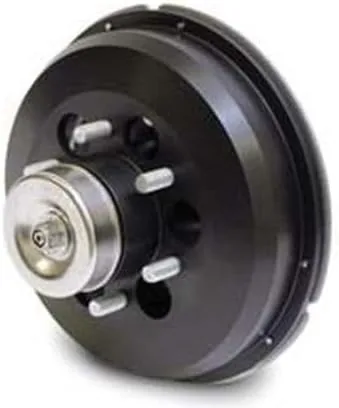
Fan Clutch Kit 9908503
9908503
$245.00
Horton Industries fan clutch kit for Class 8 diesel cooling fan drive service.
Pay now with PayPal for HRT-9908503
PayPal total for 9908503 equals $245.00 × quantity (HRT-9908503).
Shipping: Quoted before booking. Your PayPal payment covers the listed part price. If sales tax applies to your ship-to address, or your order needs freight, we email an itemized invoice with the exact amount for your approval, and any difference is settled through PayPal before the order ships.
Fitment table · 9908503
| Make | Model | Years | Engine |
|---|---|---|---|
| Freightliner | Cascadia | 2010-2024 | DD15 |
| Peterbilt | 579 | 2013-2024 | X15 |
| Kenworth | T680 | 2013-2024 | X15 |
| Volvo | VNL | 2011-2023 | D13 |
Horton fan clutch kit in front of the radiator stack
Engine fan clutches modulate airflow so Cummins and Detroit platforms maintain coolant temperature without screaming constant-on fan noise. The Horton fan clutch kit on this page fits applications named around Cascadia, T680, 579, and VNL tractors with D13, DD15, or X15 engine families in the fitment table.
A failing clutch shows as overheating in slow traffic, excess fan roar on cold mornings, or visible oil weep at the hub. Air and coolant systems must both be healthy before you blame the clutch alone.
Listing scope is the Horton fan clutch kit described on the card. Fan blades, belts, and shrouds require separate inspection whenever the clutch comes off.
Engine and cab pairings from the table
Published rows tie common over-the-road cabs to D13, DD15, and X15 engine names. Verify pulley diameter, belt count, and mounting bolt circle against the removed hub using photos and VIN data.
The fitment guide helps when a fleet replatforms engines under existing cab numbers.
Email support@aonetruckauto.com with hub and pulley photos if a vocational spec differs from linehaul builds.
Published weight and price
Ship weight is 22.0 lb. Card price is $245.00 USD before tax. Plan for parcel or small LTL handling per the shipping policy.
Fan engage verification after install
After belt tension and shroud clearance are confirmed, verify fan engagement at the temperature or air pressure trigger the Horton chart specifies for that kit.
Watch for blade tip contact with shrouds during engage and disengage cycles. A wobbling hub indicates bearing damage that a new clutch will not cure.
Commissioning checklist
- Set belt deflection to OEM spec before first start.
- Monitor coolant temperature trend in stop-and-go traffic after install.
- Listen for bearing whine that increases with rpm.
- Confirm air supply lines to the clutch are filtered and leak-free on pneumatic models.
Log engagement temperatures on the work order so future drivers can compare against baseline.
Receiving heavy hubs
Inspect pulley faces for rust pitting from storage. Light rust belongs to cleanup; deep pitting affects belt life.
Belt routing and shroud clearance
Fan clutch kits demand correct belt routing and tensioner position before engagement tests mean anything. A belt one rib out of groove throws engagement timing and overheating follows on the first grade.
Shrouds cracked from past fan strikes must be replaced; flexing shrouds tip blades into contact during engage spikes. Inspect tip clearance with a light behind the blade as the clutch cycles.
Horton pneumatic clutches need clean supply air. Dryer service upstream belongs in the same work week when clutch air lines show oil mist.
Cooling system partners
- Pressure-test caps and hoses when clutch work follows overheat events.
- Inspect radiator fins for blockage external to the fan path.
- Verify viscous or air fan wiring harnesses are routed away from hot pipes.
- Record baseline engage RPM or temperature for driver reference cards.
Drivers who know normal engage behavior report failures earlier on mountain routes.
Radiator stack access after clutch R&R
Removing a fan clutch often disturbs shroud fasteners lost years ago. Replace missing screws instead of leaving gaps that pull road debris into blades. Vacuum radiator faces when the clutch is out for service.
Pusher and puller fan configurations differ; confirm rotation arrow on blades before first start after reinstall.
Electrical fan clutch variants
Some Horton kits interface with engine ECM strategies that modulate engagement differently than older pneumatic setups. Confirm wiring pinout against the removed harness before first start.
After install, verify dash warnings clear and that no fan-related fault returns during a loaded pull up a known grade.
Horton hub weight handling
Twenty-two pound clutches need two-person lift onto bench vise jaws padded with rubber; nicking the pulley face during handling ruins belt life before first trip.
VNL fan clearance
VNL packages with tight shrouds need visual blade tip clearance in both engage and coast; thermal cameras sometimes help spot rubbing before blades score shroud plastic.
DD15 and D13 fan clutches share shop tools but not pulley stacks; verify belt routing diagrams for the engine serial in the bay before the first engage test.
Log fan engage temperature on the dash snapshot after install; drivers compare against that baseline when summer loads climb the same grades.
Fan engagement under grade load
After a Horton kit install, verify the fan locks when commanded on a loaded grade or in a controlled shop air test. High indicated fan speed with low airflow at the radiator face points at slip inside the hub.
Air supply to the clutch solenoid must be dry and at the pressure the kit chart expects. Wet air from a tired dryer will make a new clutch look intermittent.
Listen for release on flat interstate after the repair. A clutch that never releases wastes fuel and can over-cool in winter night runs.
Delivery methods and packaging notes live on the shipping policy. Unused-item rules are under returns and refunds. Reach us at support@aonetruckauto.com or the contact form.
A-One Truck Auto is operated by HEAVY TRUCK PARTS, INC. Manufacturer names indicate fitment language only.